
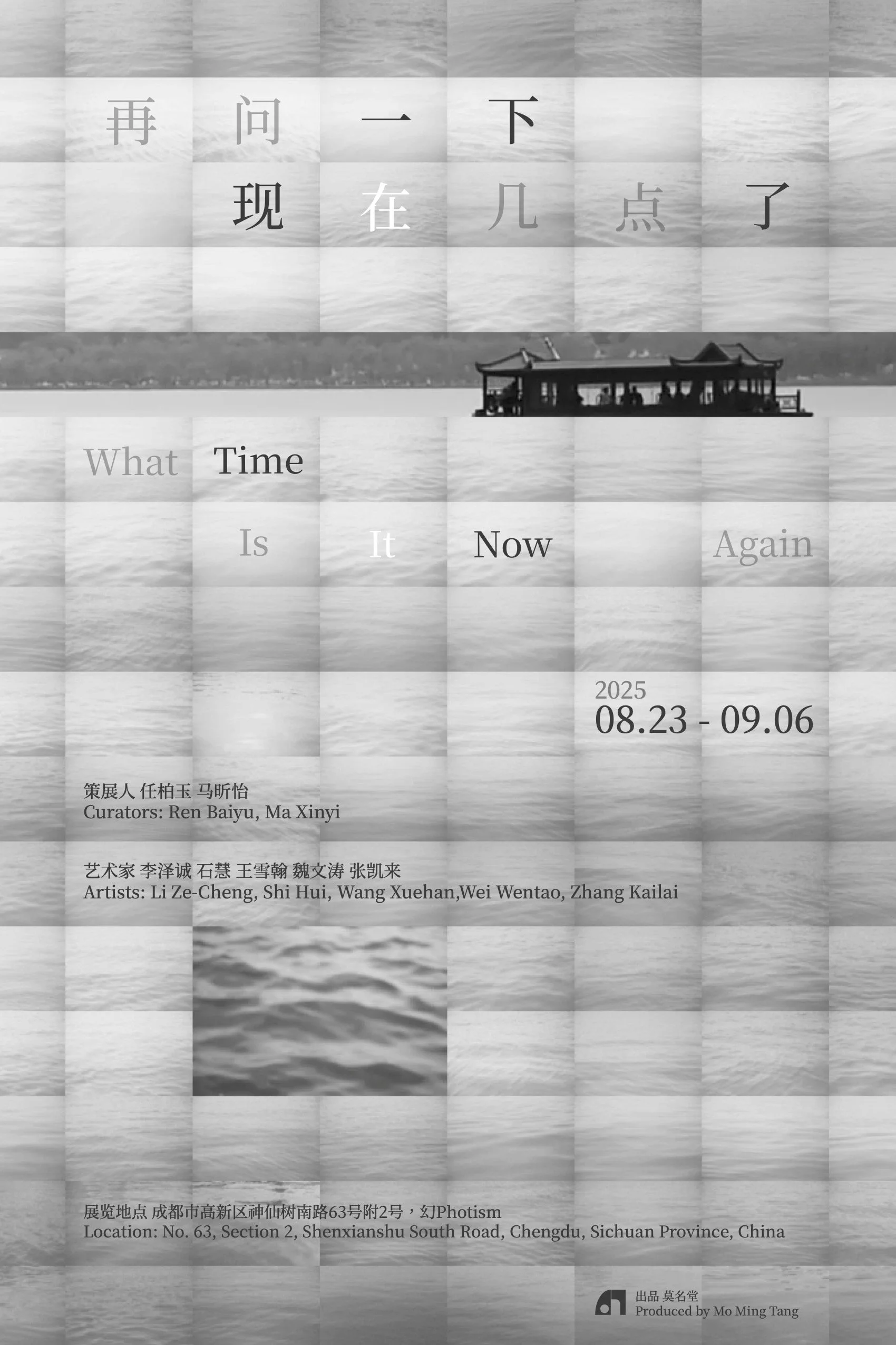
展览信息|Exhibition
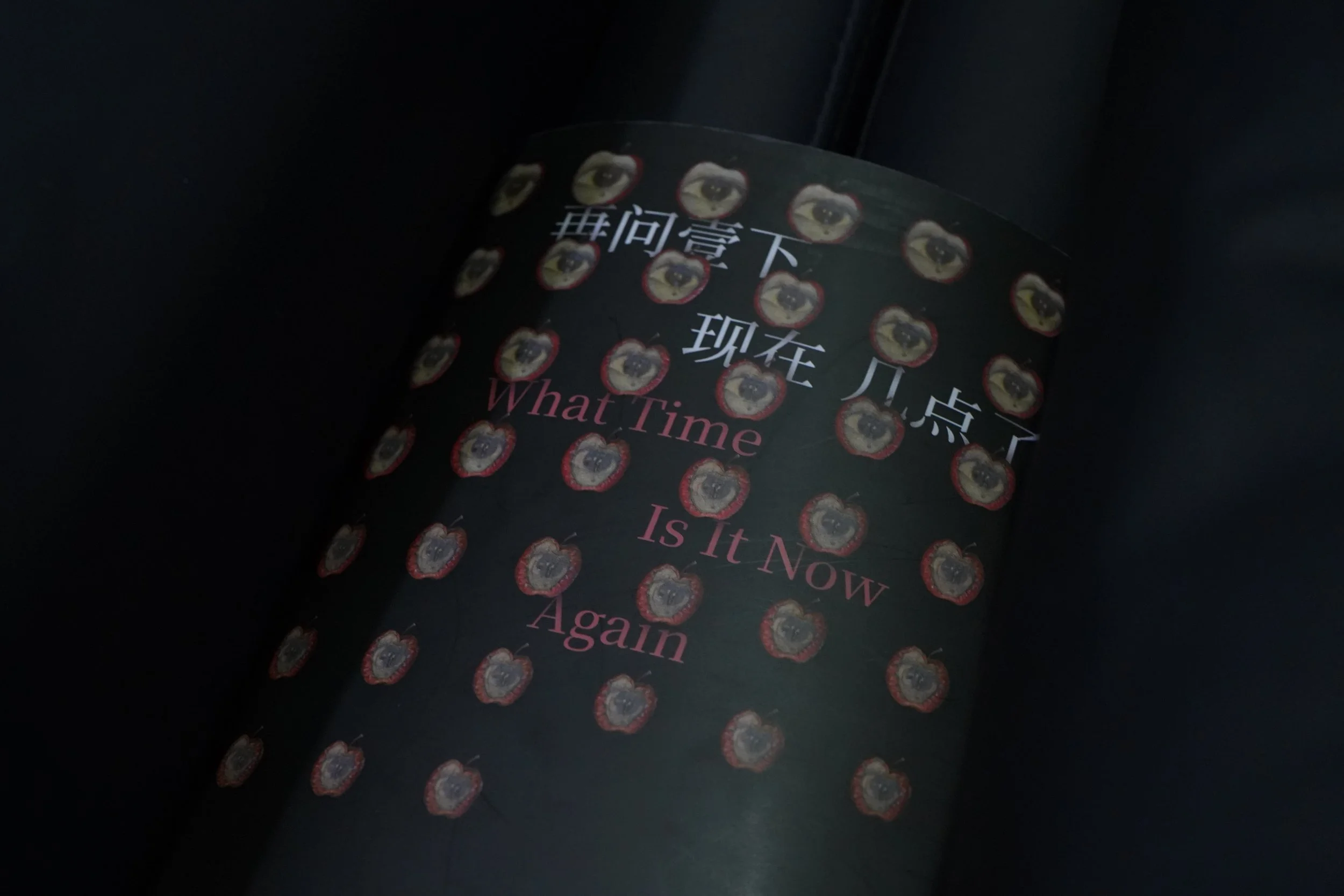
What Time Is It Now Again
再问一下 现在几点了
策展人|Curators
任柏玉|Ren Baiyu
马昕怡|Ma Xinyi
艺术家|Artists
李泽诚|Li Ze-cheng
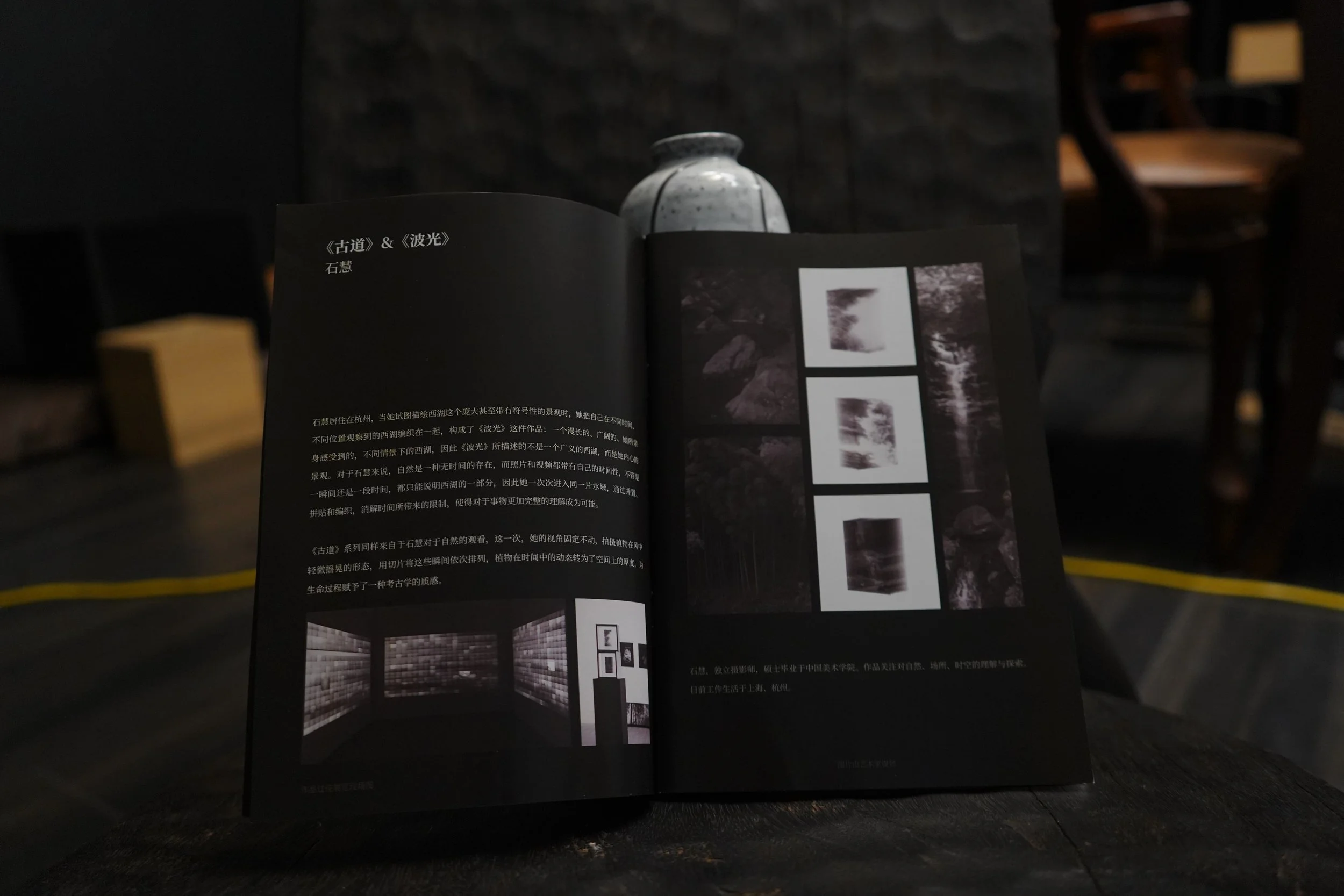
石慧|Shi Hui
魏文涛|Wei Wentao
王雪翰|Wang Xuehan
张凯来|Zhang Kailai
2025.08.23-09.06
成都市高新区神仙树南路63号附2号,幻Photism
Exhibition Review|What Time Is It Now Again
As we know, narrative unfolds within the flow of time, with corresponding meanings and emotions clinging to it far more tenaciously than we imagine. While acknowledging that linear, standardized time provides order and enables collaboration, the exhibition “What Time Is It Now?” refuses to settle for this as the sole—or even default—narrative. It seeks to explore whether more personal, embodied constructions of time are possible.
Most of the works on display originate from several artists' graduation projects. Drawing from their personal experiences, they explore themes including intimate relationships, death, and their connection to the surrounding world through photographic practice. This process of exploration is profoundly personal and inward-looking. Conventional narratives under the standard temporal order cannot address this need. Thus, they cannot merely stand behind the lens; they must hold it in their hands, like a paintbrush or a piece of clay, personally shaping time's speed, curvature, and even its quantity, position, and hierarchical relationships, making it as close as possible to their lived experience. Consequently, we observe volumes and topographies breaking through the two-dimensional plane in these photographic works, qualities closer to painting and sculpture. We also see the traces of hands—hands that are no longer merely pressing shutters, but hands reaching through the viewfinder to disturb time itself.
Since its inception, photography has been regarded as an art of time, determined by its mechanical nature. Shutter speed, exposure duration—the relationship between photography and time is almost symbiotic. In these works, the artist's continuous shaping of time fully expands, imagines, and unleashes this intrinsic relationship. Whether through long exposures or collages, these are not fundamentally technical experiments, but rather shifts in the creator's mindset and practice to approach their psychological reality as closely as possible. We find it fascinating that when time undergoes deformation, mechanical constraints cease to be an issue—instead, photography becomes the optimal medium for carrying subjective imagination. This is a tension born of limitation: it is within the still image that we observe the most intense motion, and it is precisely the inertia of the mechanical that maximizes the manifestation of individual will. In this sense, no medium seems more suited than the image to explore the relationship between an individual's psychological experience, temporal structure, and external narrative.
—Ren Baiyu
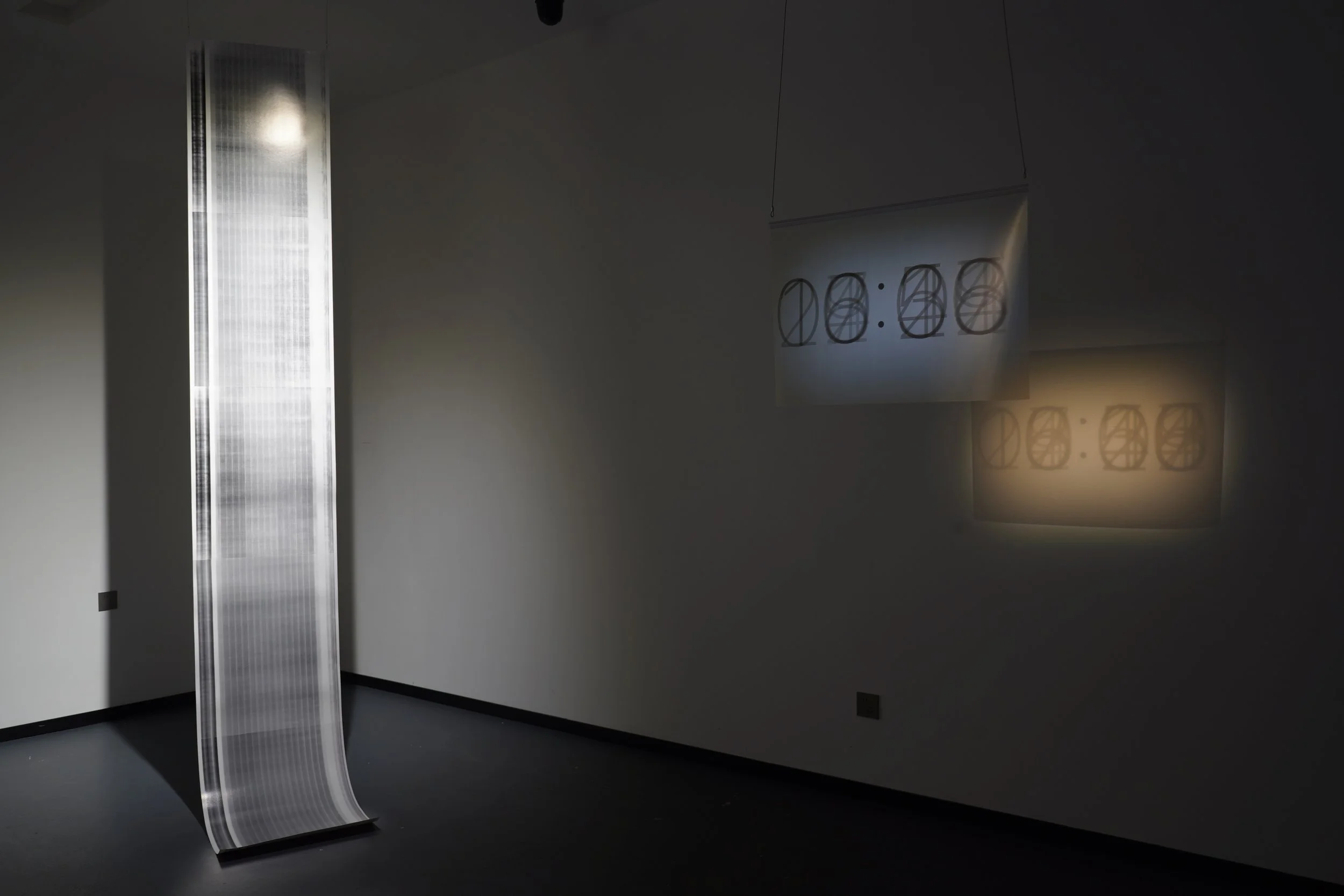
Wechat & Time Wei Wentao
While studying in the United States, Wei Wentao could only communicate with his family and partner back home via WeChat. He realised that digital communication platforms could not convey the intensity and embodiment of human emotion. Therefore, he tried to turn these conversations into physical forms. In a darkroom, he took long exposures of WeChat chat pages containing conversations between himself and his partner at the time. During the exposure process, the dimension of time was eliminated. The progression of an intimate relationship was compressed onto a two-dimensional plane and reduced to indistinct pixels that formed the layered textures within the work.
Using a similar creative approach, the artist subjected the time displayed on a mobile phone screen to a 24-hour exposure to create Time, a piece that records, contains and imprints every moment of a single day. In modern society, time often manifests as precise numerical units, providing the order necessary for society as a whole to function. However, this piece nullifies time's role as a societal clock, restoring its non-linear, chaotic state and thereby evoking our imagination of time's alternative forms.


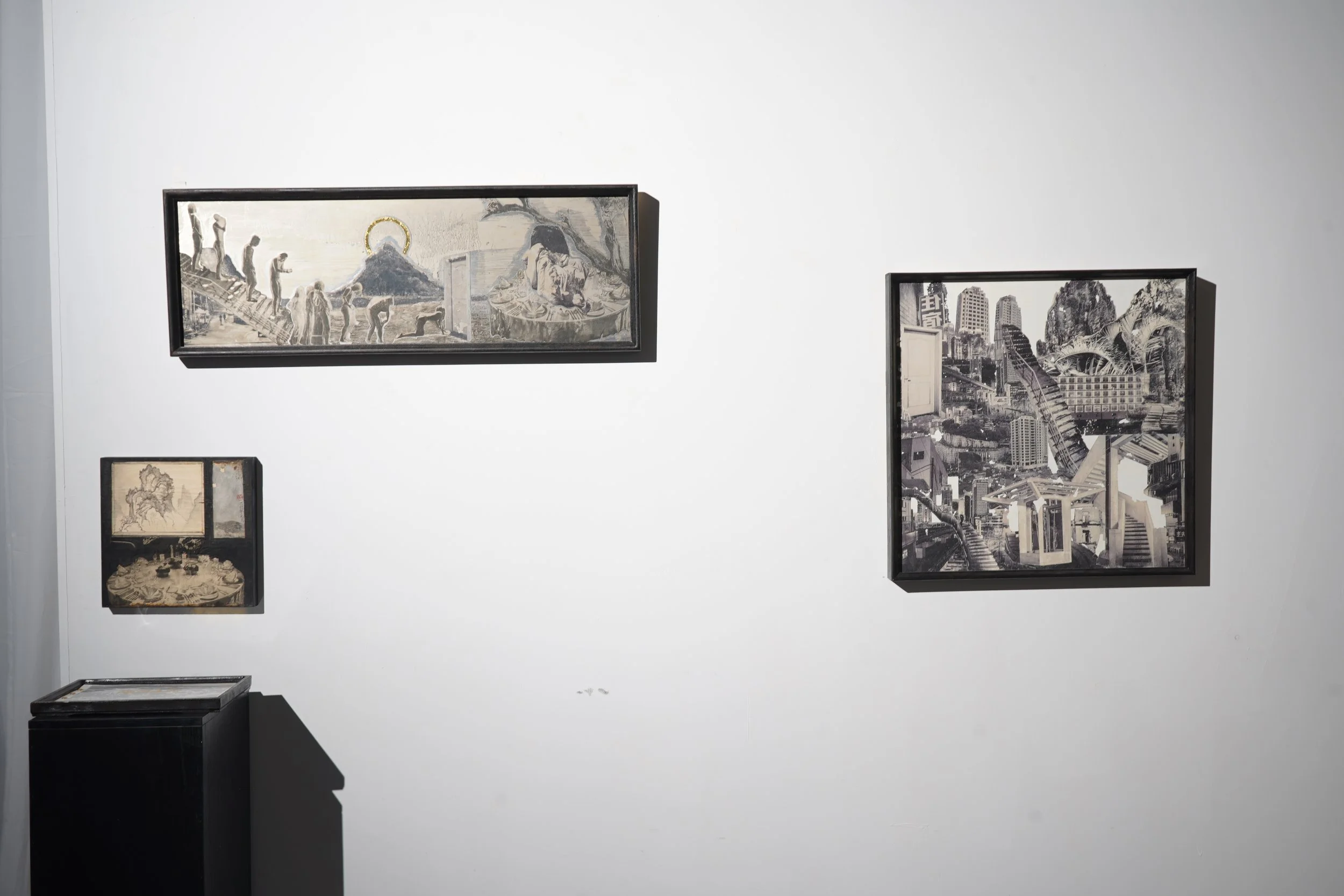
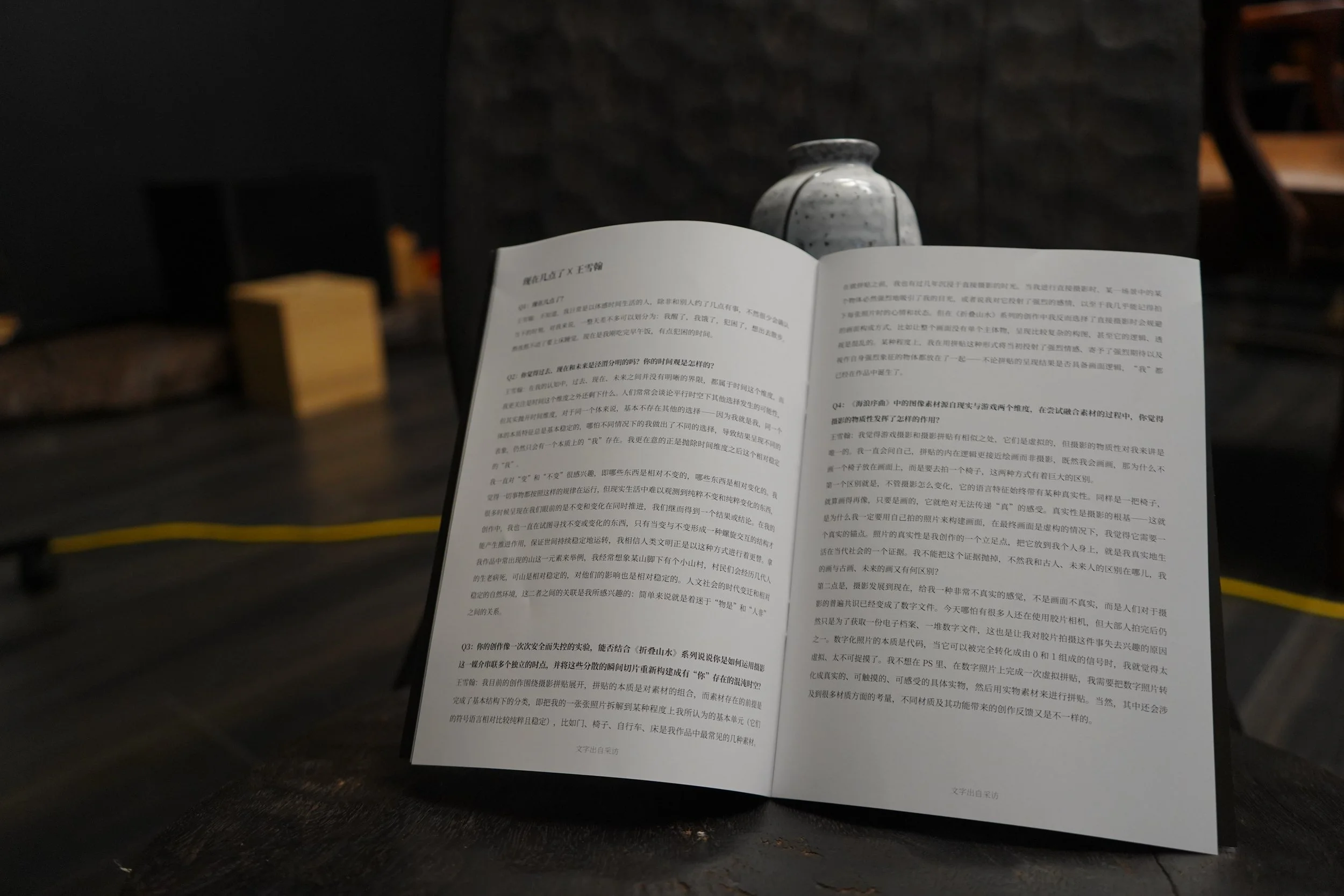
Folding Landscape Wang Xuehan
Wang Xuehan's recent work focuses on collage. Prior to this, he immersed himself in straight photography, a period which provided a wealth of material for his later collages. He deconstructs photographs into fundamental units, such as doors, chairs, bicycles and beds — the most common elements in his work — then reassembles them. Compared to straight photography, these images carry greater ambiguity, accommodating diverse perspectives, times and spaces. The focal point shifts from the subject itself to where one subject meets another. This intersection generates intense movement, drawing the viewer's gaze and encouraging them to traverse different times and spaces. At the same time, this loosened composition dismantles linear temporal logic, liberating narrative possibilities. Events no longer unfold sequentially, and their causal relationships become open to imagination at the boundaries between images.


Apple Zhang Kailai
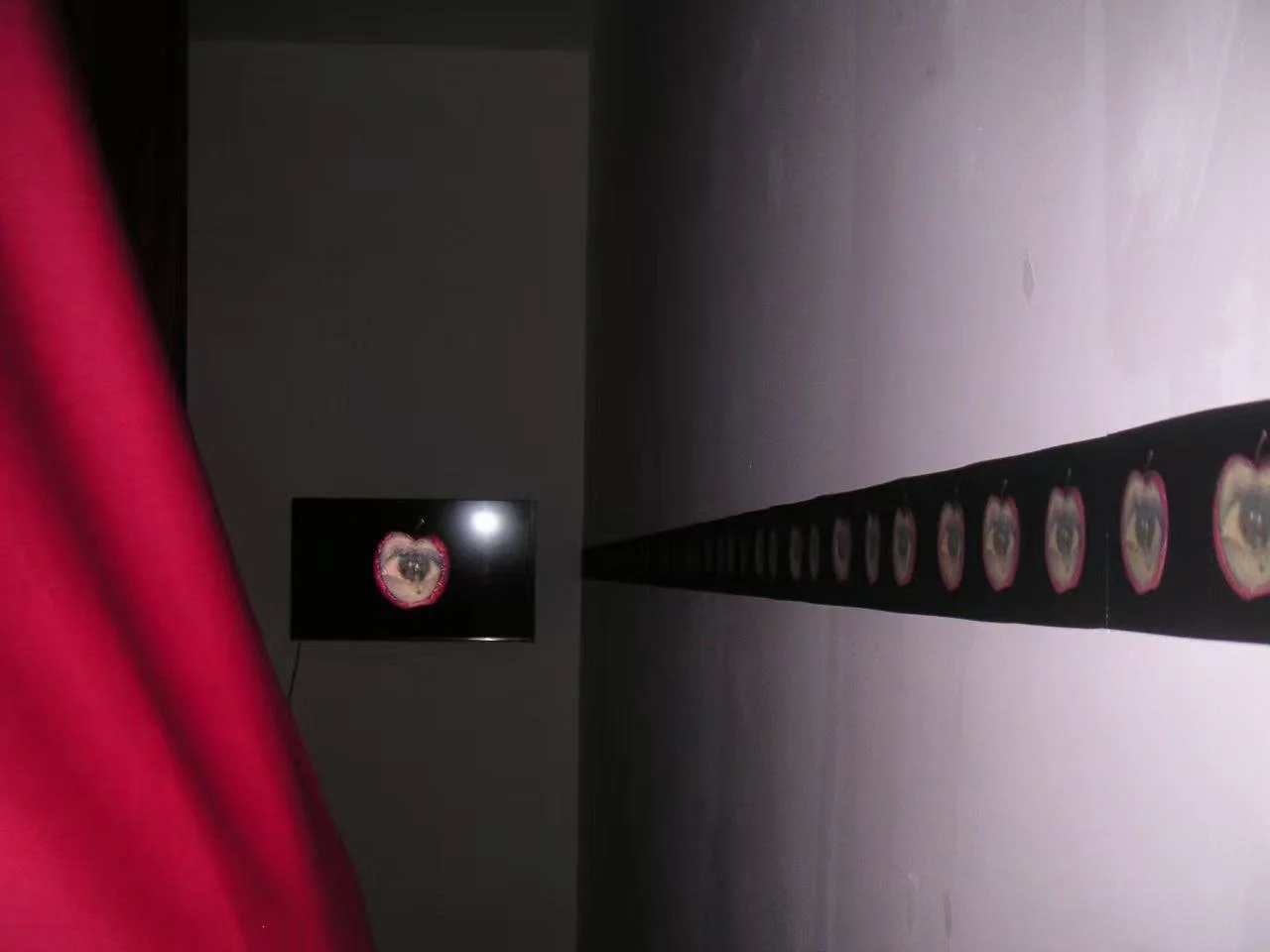
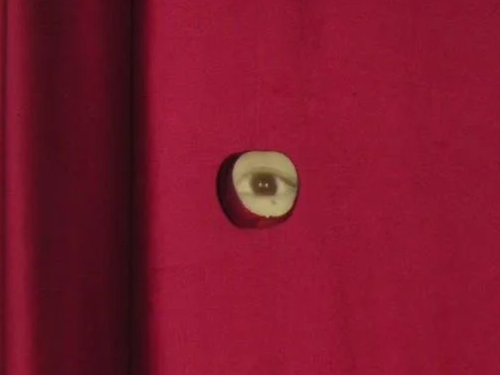
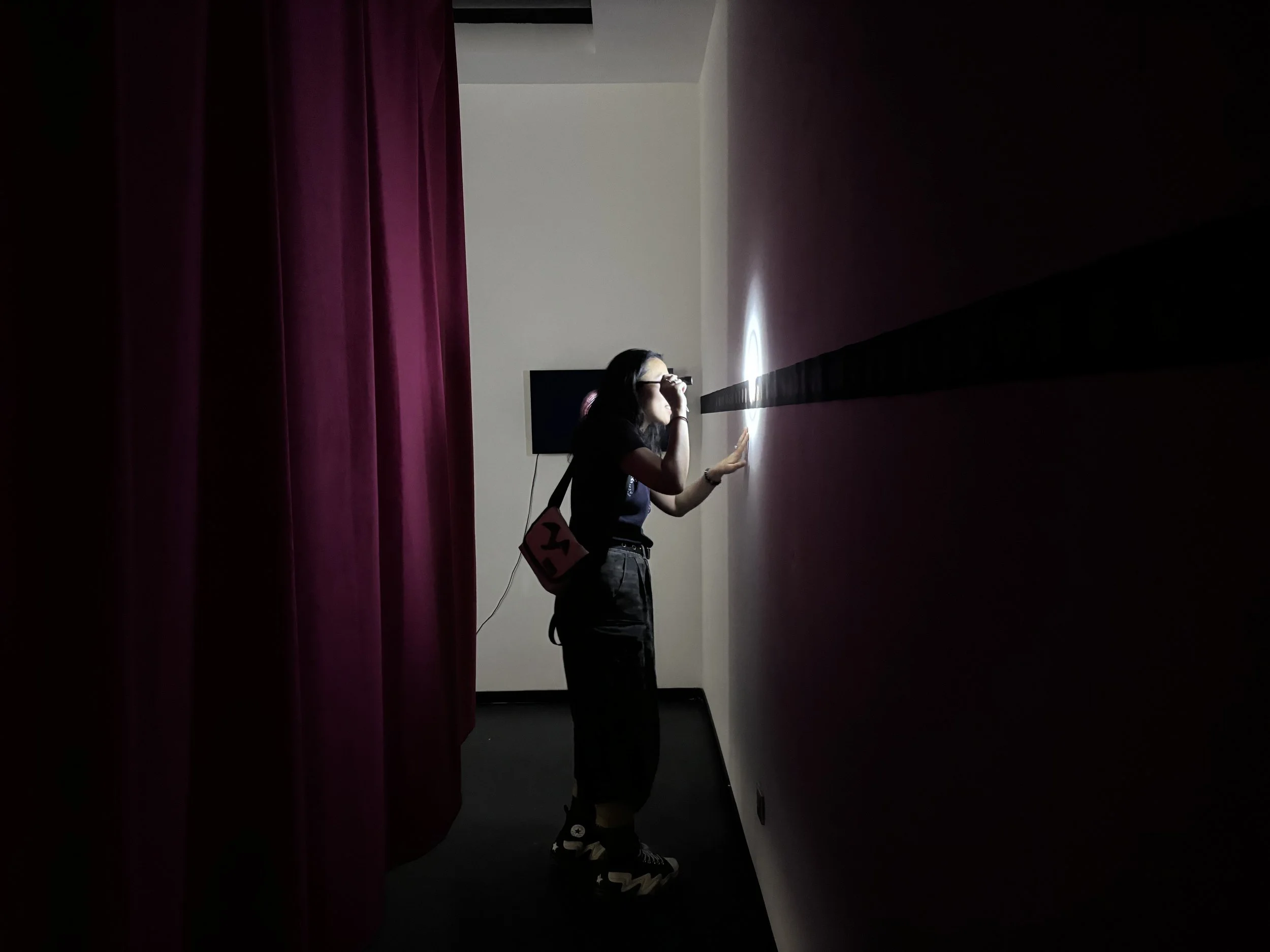
In the real world, the apple is a metaphor for ageing and transience. When a family member fell seriously ill, Kailai gained a direct insight into the process of life: ageing, withering and ultimately fading away. This experience prompted her to contemplate time and existence on a deeply personal level, translating this journey into her art. She photographed her own eyes with a Polaroid camera and transferred the image onto an apple. Each day, the apple loses moisture and oxidises, causing the gaze to wither and lose its lustre. Kailai scanned this composite life form daily, documenting its transformation — except for a few blank days in between. She had returned from the UK to attend a family funeral. She incorporated this pause into the photography, blending real death with the imagery. Metaphor and reality merge within the work Apple.
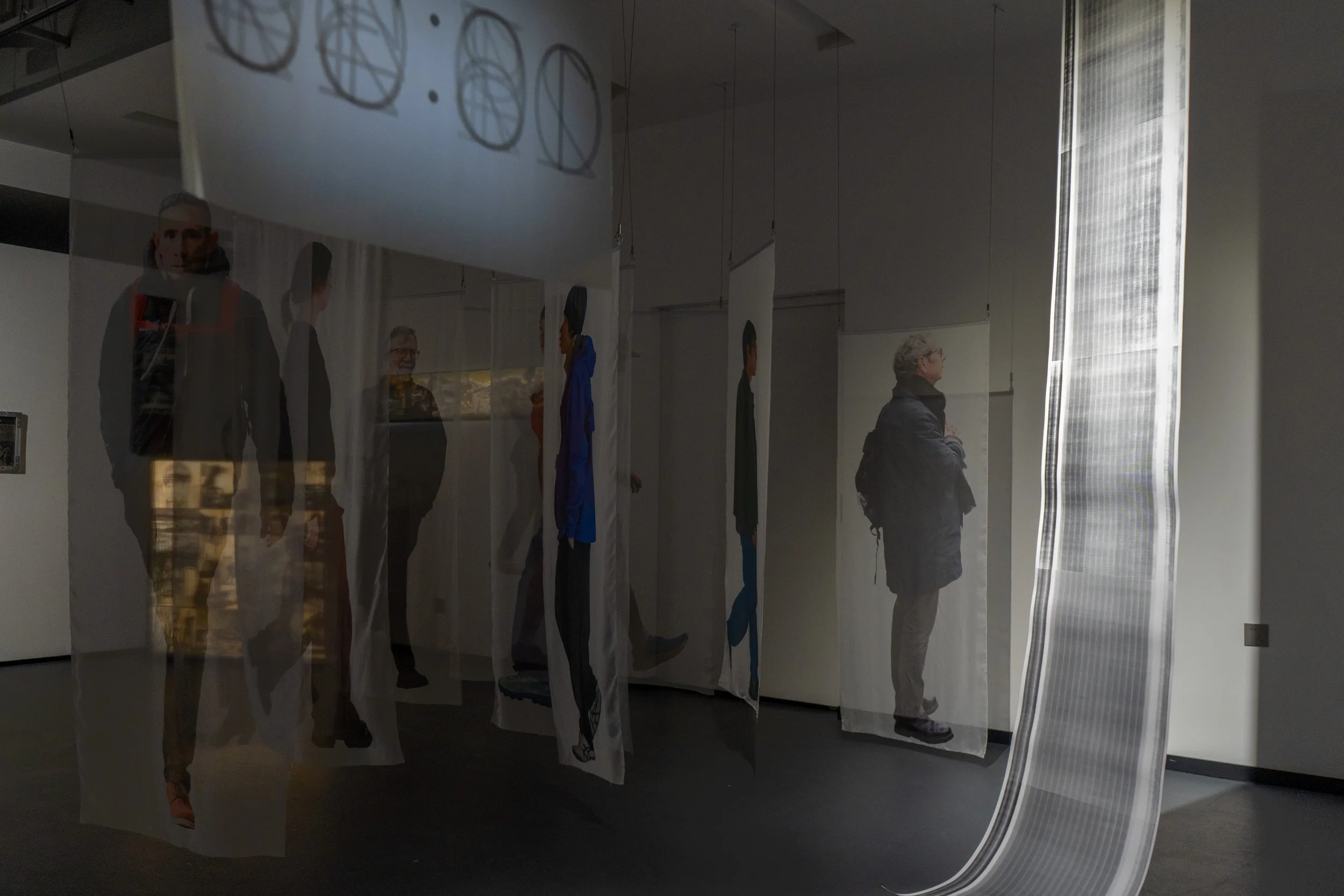
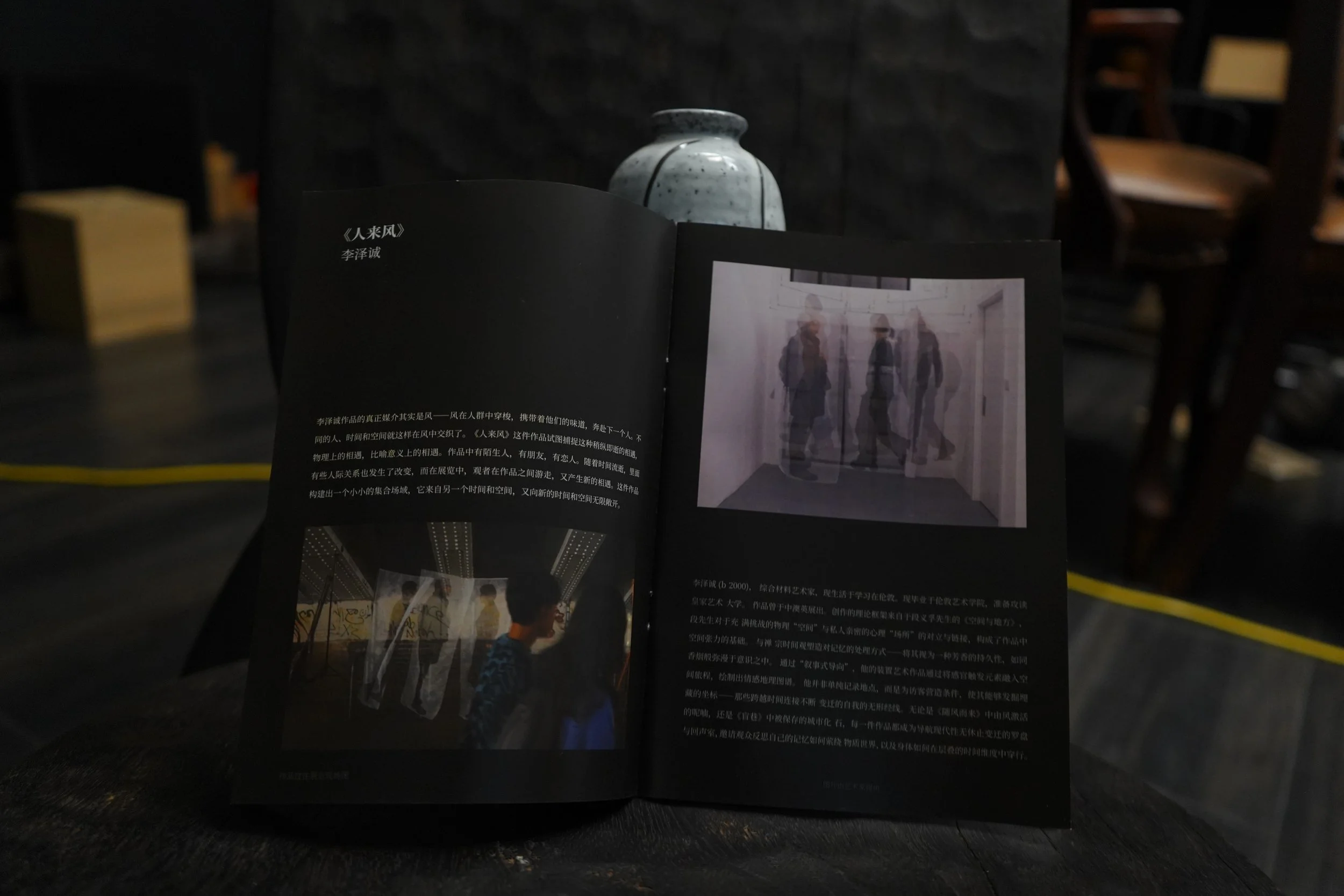
Come By the Wind Li Ze-cheng
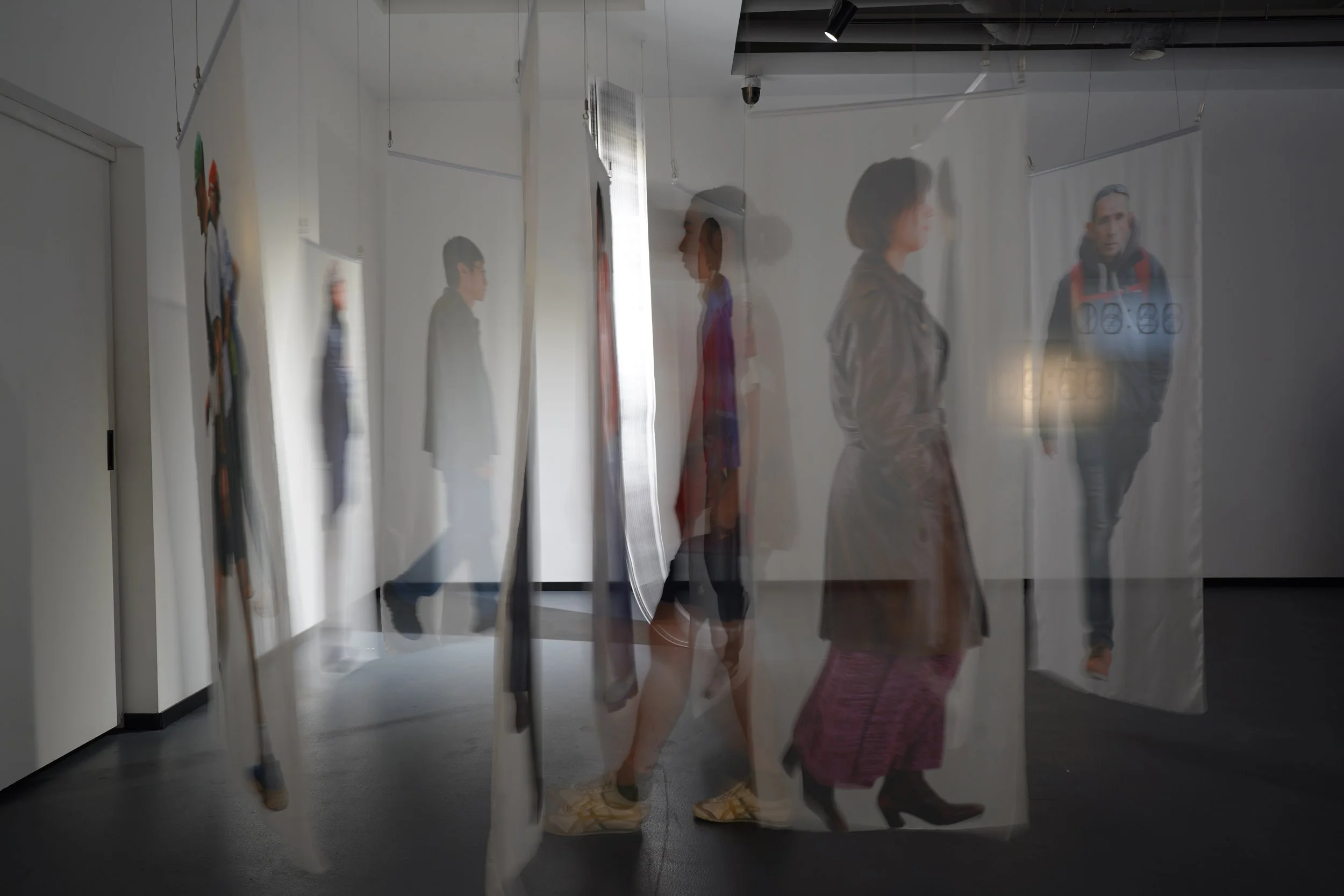
The true medium of Zecheng's work is actually the wind—it weaves through crowds, carrying their scents to the next person. Different individuals, times, and spaces thus intertwine within the breeze. Come by the wind - Across attempts to capture these fleeting encounters—both physical and metaphorical. Within the work are strangers, friends, and lovers. As time passes, some of these relationships evolve. In the exhibition, viewers wandering between the pieces create new encounters. This work constructs a small collective space—originating from another time and place, yet infinitely open to new times and places.

Time itself is an ambitious subject, yet it is not beyond discussion. In fact, because it influences our lives so vastly and profoundly, reflection upon it is all the more crucial. In The Order of Time, Carlo Rovelli writes: 'We usually think of time as something simple and basic, flowing uniformly and independently, moving from past to future and measurable by clocks. Within this temporal progression, events in the universe unfold in an ordered sequence — here, past, present, future — with the past fixed and the future open... Yet all this has been proven false.'
Or, at least, it is not the only truth. In a world governed by speed, the essential definition of time is not what truly matters to us, but rather the relationship we can forge with it. Mechanical clocks first appeared beside churches where people worshipped in the 14th century. The advent of trains in the 19th century made a unified world time zone necessary. Only in a world obsessed with efficiency would people invent such a threatening term as 'deadline' to manage themselves. These things, which now seem utterly natural, were never natural. They are merely constructs. This exhibition seeks to reveal alternative possibilities for construction at more microscopic, individual and psychological levels. Here, time ceases to be constant and becomes a fluctuating variable. It alters the scale and proportions of space, drawing us closer or pushing us further away and making our eyes leap across or sink into the collage of events. There is a ceaseless movement, like water on the verge of boiling. This is the overflow of new meanings and emotions emerging at the level of consciousness, overflowing the capacity of linear time and materialising into a new reality.
We know it is possible within photography, but the extent to which it is possible in reality remains open.
Catalog

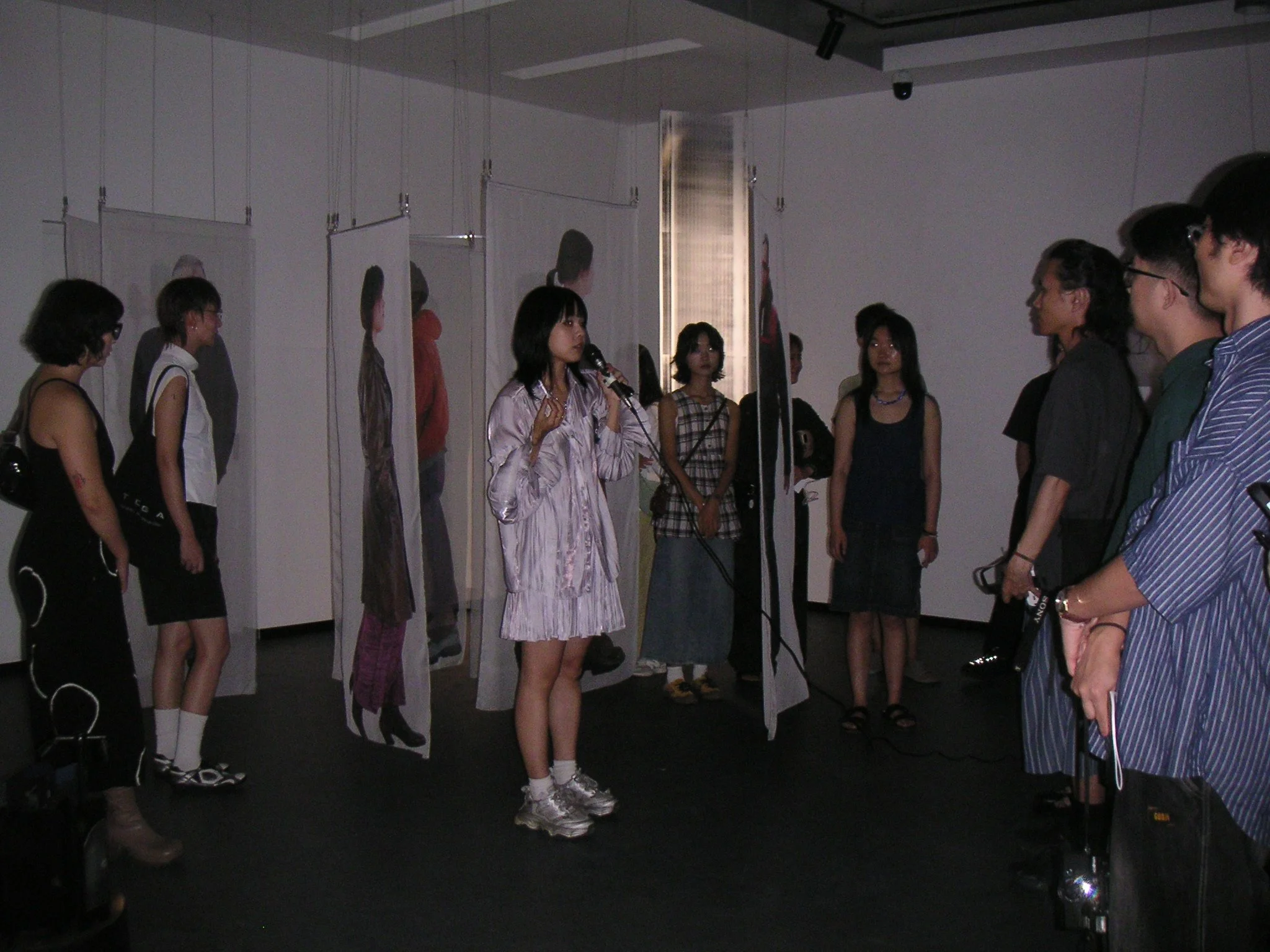
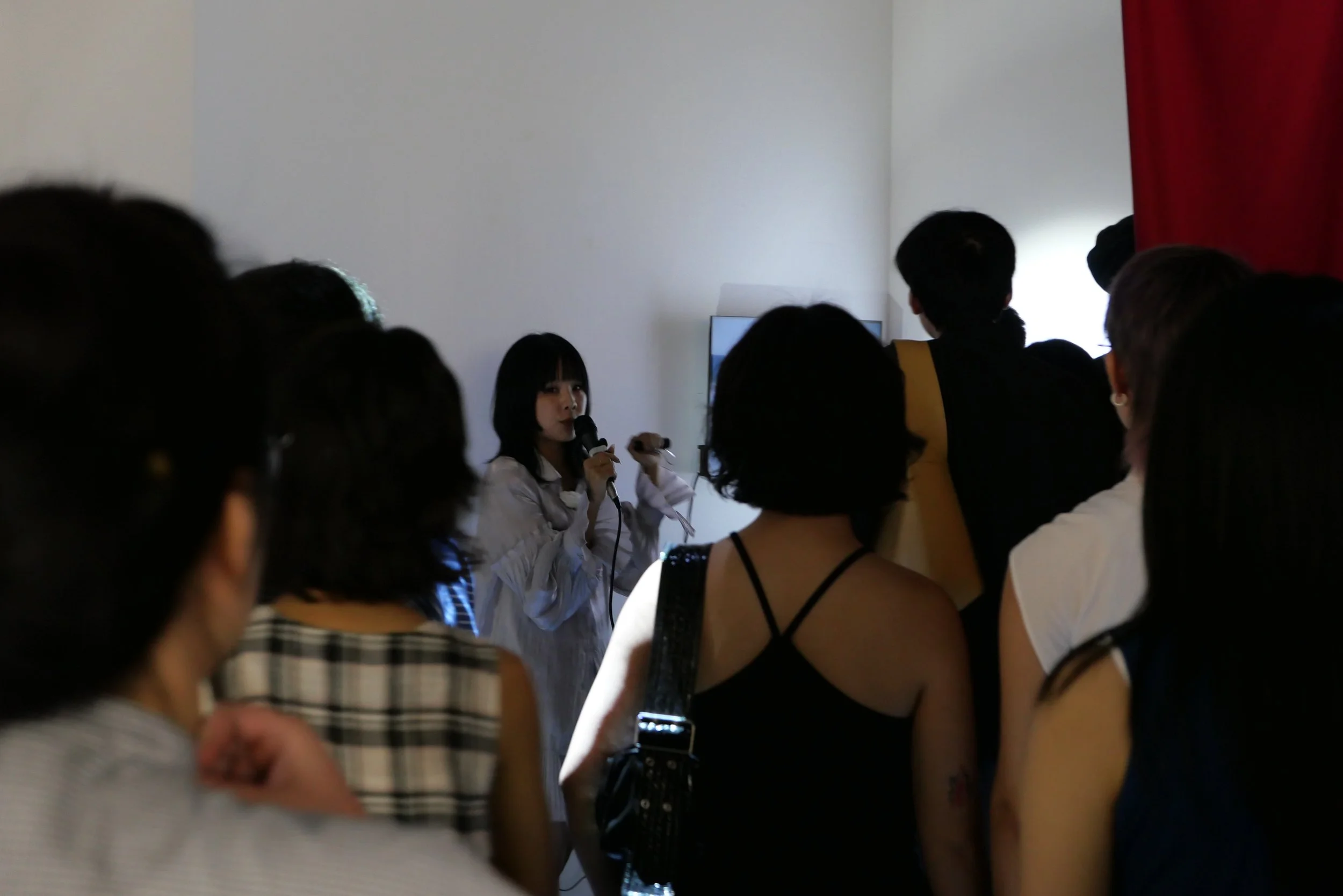
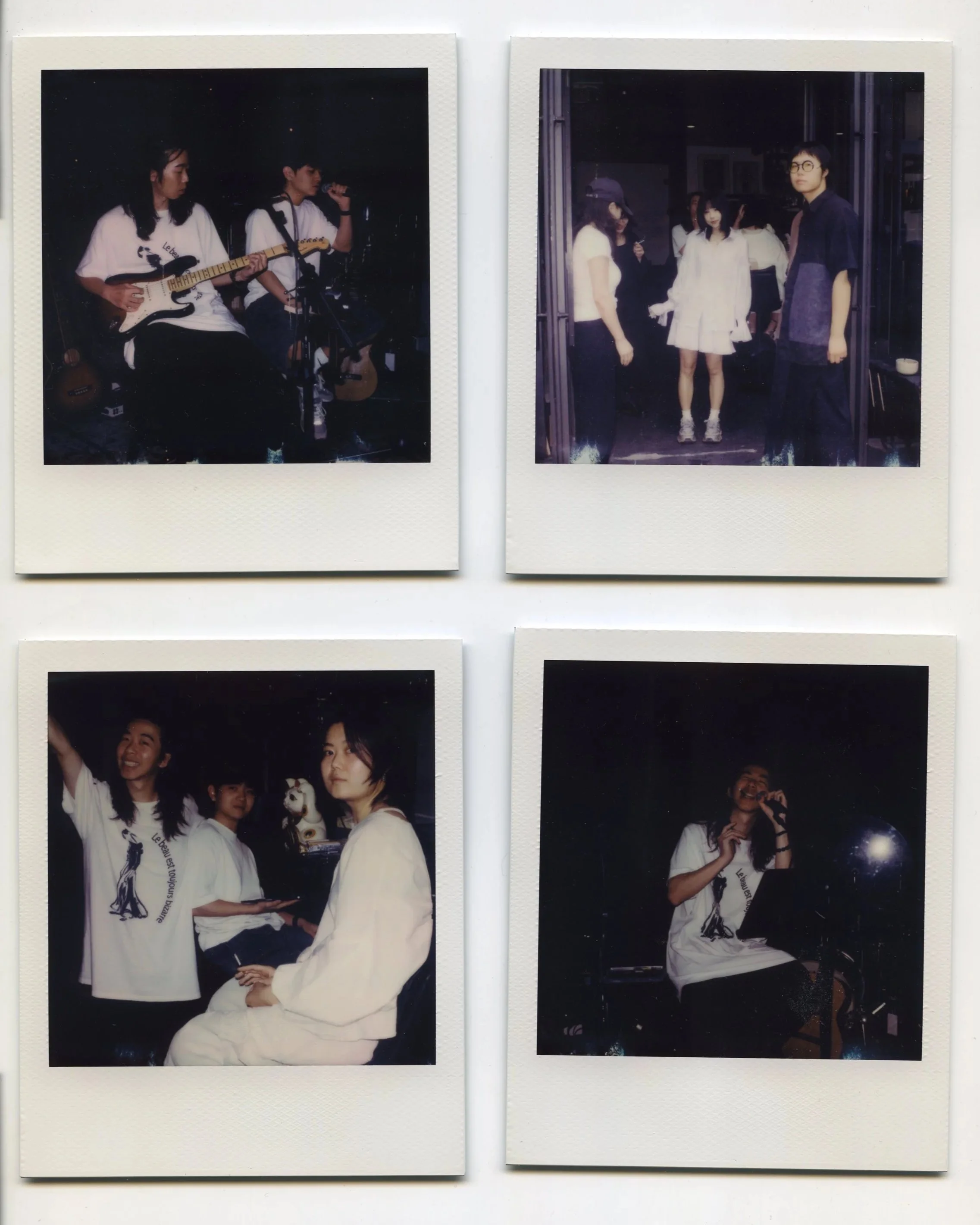
Opening Ceremony
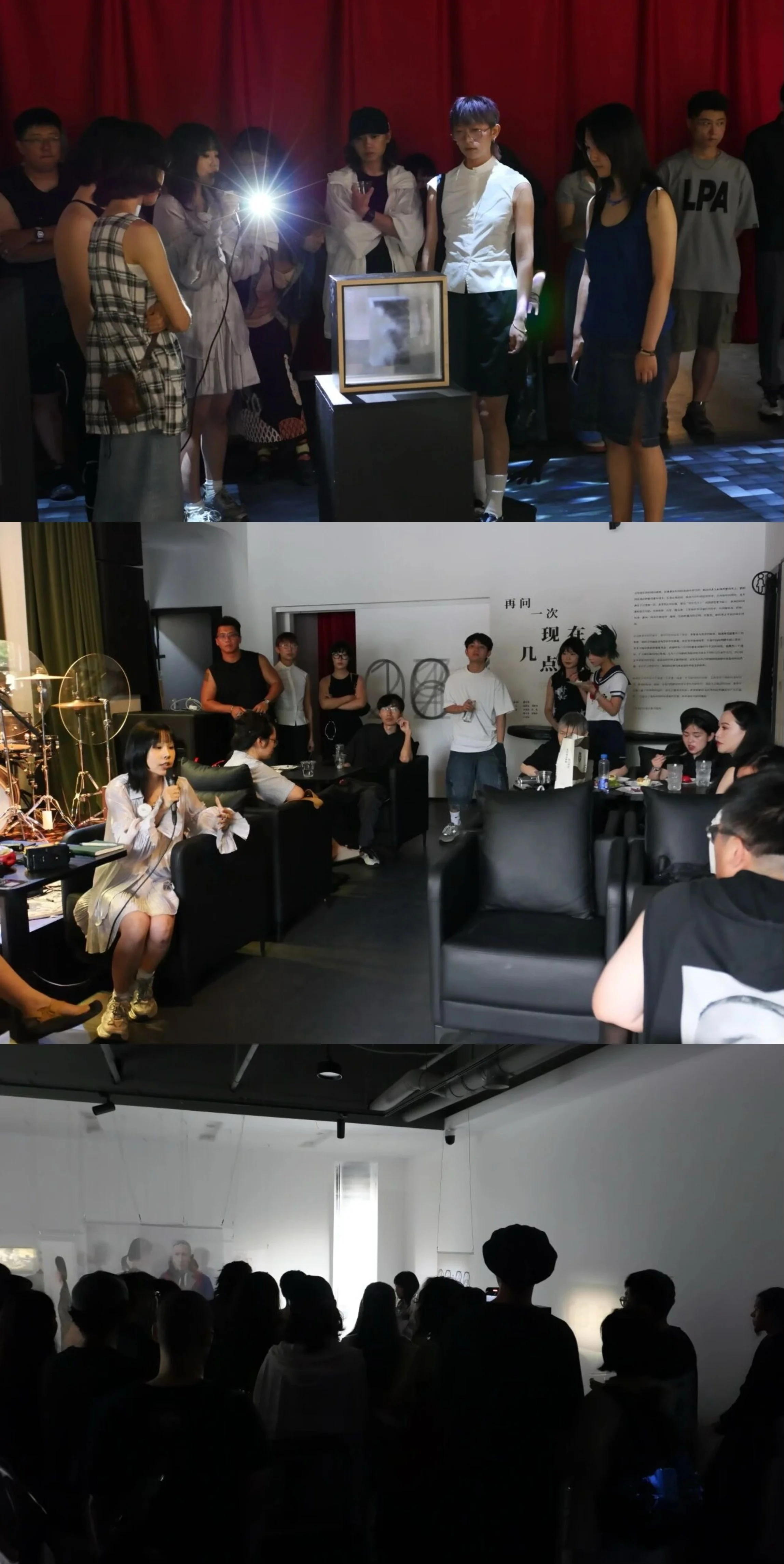
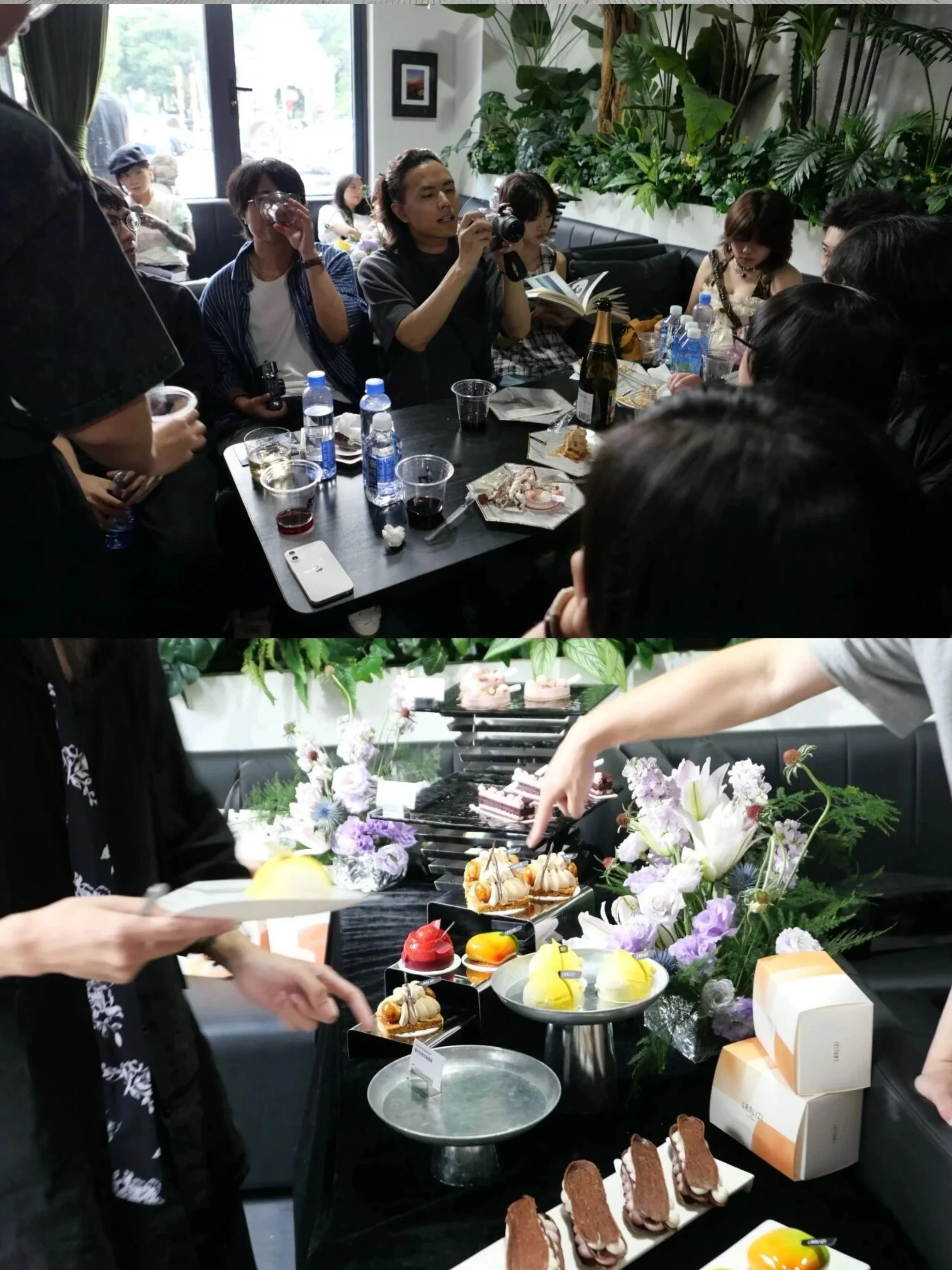
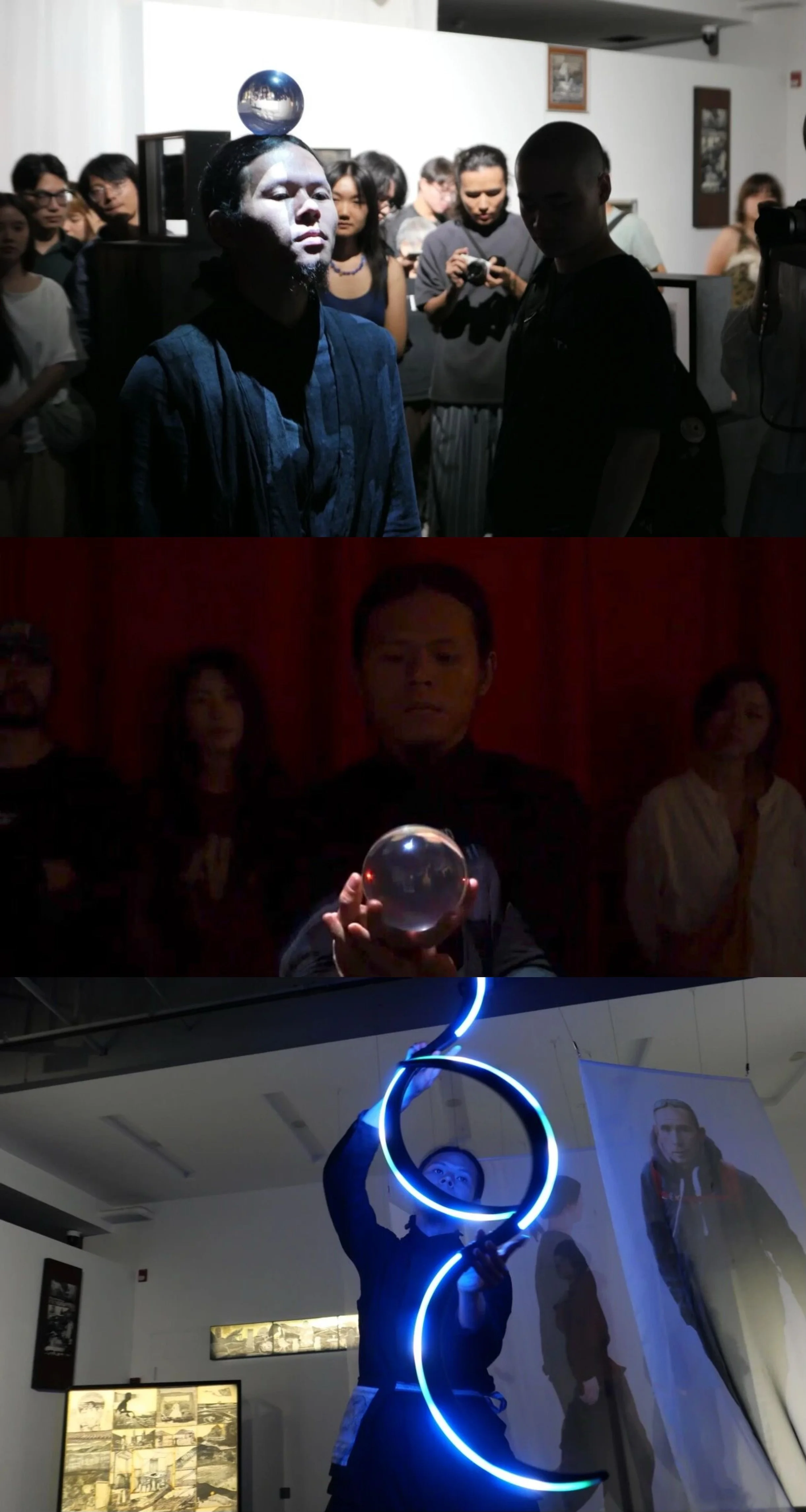
MoMingTang
